


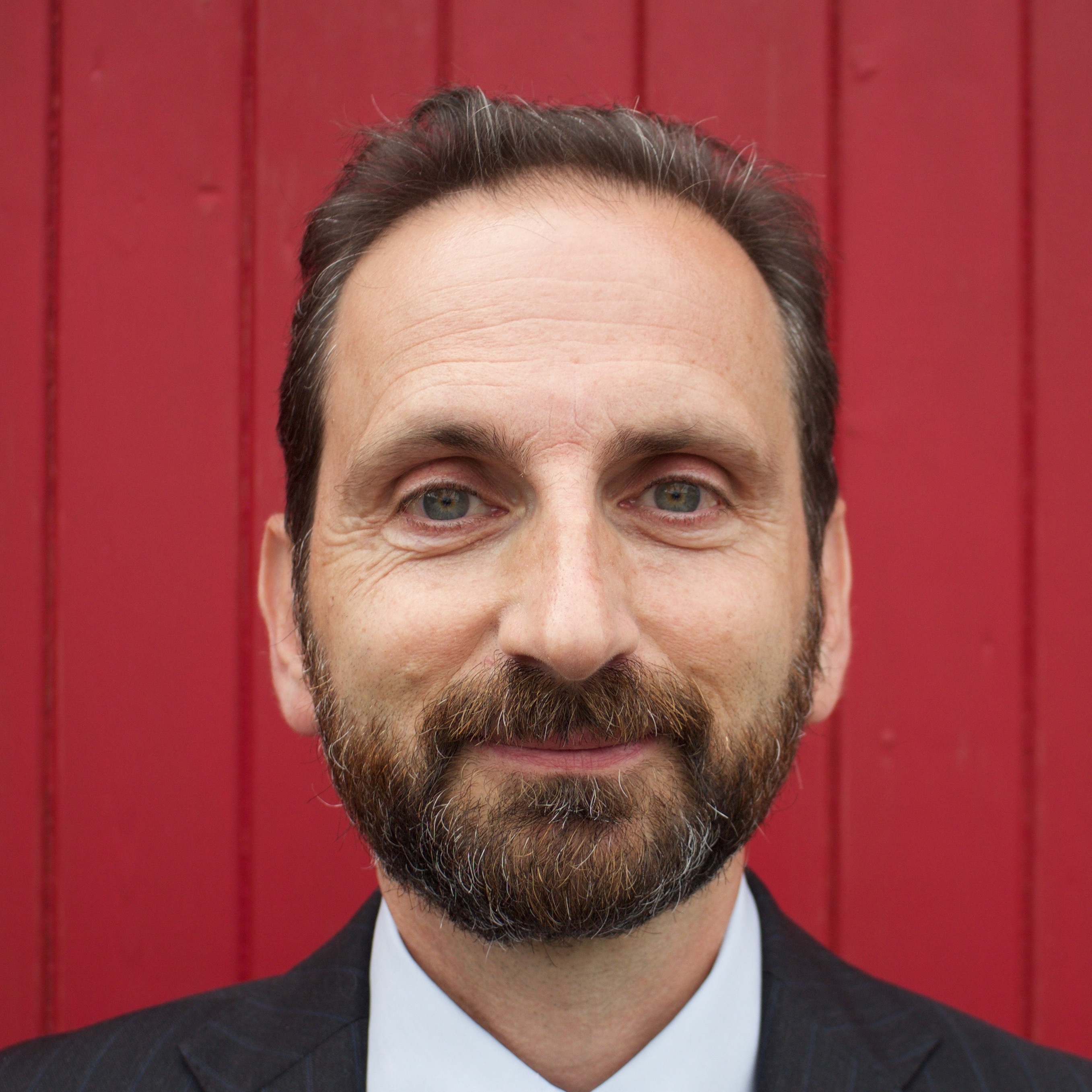
Here, he looks at what could become the ‘new normal’
Prior to covid, counsellors and therapists spent a lot of time with people who presented with high levels of anxiety and concerns about contamination and the fear of harm.
The therapists’ role was to help people put those fears and anxieties into perspective.
In other words, helping clients to weigh up rationally, risks and their (disproportionate) response to those risks. Some, for example Lord Sumption, have argued that the response to covid-19 is not in proportion to the risk. They might argue the risks to civil liberties and freedoms, let alone damage to the economy and the impact on the nation’s mental health have not been properly weighed in the balance.
Why do I mention this? It’s because one of the measures of good mental health is a sense of “agency” – being in control of one’s life, making choices, deciding for oneself the level of risk one wants to take. In other words, being treated like an adult.
Prior to covid-19, all sorts of other risky behaviour already placed a huge burden on the NHS: smoking, drinking, taking drugs (including those over-prescribed by health professionals), eating too much, not taking exercise. It’s a lengthy list.
Such behaviour was costing billions of pounds (as much as 10 per cent of the NHS budget was being allocated to type 2 Diabetes, for example) and was threatening to overwhelm the system. However, none of these behaviours was banned or resulted in restrictions to our normal way of life. I don’t recall being bombarded with slogans to “Eat Fewer Pies, Protect the NHS”. The Government would often say it didn’t want to be the “Nanny State”, and wanted people to be free to take risks and make foolish choices, as was one’s right in a liberal democracy.
But covid seems to have changed this.

Why might this matter in terms of our mental health?
Because the opposite of “agency” is very scary. We might call it “institutionalisation”.
Someone told me that being in lockdown felt like being under house arrest for a crime he hadn’t committed. Reports of overzealous monitoring and policing of covid restrictions have further reinforced the idea that we aren’t as free as we used to be.
As someone who worked in mental health for nearly 30 years, one of the scariest things you see is how easy it is for people to become institutionalised. Very capable people, within days or a matter of a few weeks, can lose their confidence, become “de-skilled” and sign up to “the new normal” of life as a mental health patient.
Their resolve and their resilience deteriorate and they stop feeling able to make choices for themselves. It’s what Psychologist Dr Lucy Johnstone has described as “adopting the sick role”. Subsequently, huge amounts of work, time and money have to be put into getting people “back to normal”.
So, how will the nation’s mental health be affected by a period of time under what feels like state control? Some worry that we might become too willing to do as we are told, without asking questions or challenging data or “facts”. Quite what this might mean for our collective mental health is difficult to assess.
At Mind in Croydon I was involved in a report called Somewhere to go, Something to do, which was the result of surveying a large number of people who used mental health day services. The title reflected what their priorities were. Someone suggested that we could have added to the title: Something to Look Forward to.
This lockdown has been more difficult than the previous ones.

But even in the best of times, the winter months are always bad for mental health. So the combination of winter, lockdown and a general feeling of “having had enough of covid and covid restrictions” has been a challenge.
However, it seems that the worst may be over. January is behind us, the days are getting longer and the signs of spring are there.
As more of us are vaccinated and the infection rate falls, we can legitimately start to look forward to restrictions being lifted. This will herald the return of a sense of normality and a mentally healthy life. We will meet with friends and loved ones, enjoy a meal out or a visit to the pub, a trip to the countryside or the coast. We’ll be able to go to the cinema, the theatre and to shows, galleries and exhibitions. Some will even be able to subject ourselves to the mixed blessing of a seat at Selhurst Park and the emotional rollercoaster that can be.
All of the things that were good for our mental health before covid-19 remain good for our mental health now. Most of them are easy to do. So, as we look forward to a time when covid restrictions end and we can get back to normal, we can all practice the Five Ways to Well-being and try to find an activity that promotes “flow” for you
Perhaps our “agency”, like our mental health, is something we took for granted.
So let’s exercise some healthy scepticism too.
Read more: We can all deal with lockdown if we put our minds to it
Read more: National government needs to take the adult social care burden
Read more: Despite all the walking and talking, every day is like Sunday
- Richard Pacitti spent all his working life in the voluntary sector, including 30 years at Mind in Croydon, where he was chief executive until he retired in April 2020
Croydon Commentary is a platform for all our readers to offer their personal views about what matters to them in and around the borough. To submit an article for publication, just email us at inside.croydon@btinternet.com, or post your comment to an Inside Croydon article that has caught your attention
- If you have a news story about life in or around Croydon, or want to publicise your residents’ association or business, or if you have a local event to promote, please email us with full details at inside.croydon@btinternet.com

- Inside Croydon works together with the Bureau of Investigative Journalism and BBC London News
- ROTTEN BOROUGH AWARDS: Croydon was named the country’s rottenest borough in 2020 in the annual round-up of civic cock-ups in Private Eye magazine – the fourth successive year that Inside Croydon has been the source for such award-winning nominations
- Inside Croydon: 3million page views in 2020. Seen by 1.4million unique visitors
