

Coronavirus infection rates in Croydon are on the rise again – and started to increase within a week of the government’s lockdown measures being eased.

During March and early April, the number of infections reported daily in Croydon had fallen to single figures, and on a handful of days were reduced to zero.
But since the end of last week, the numbers have started to increase.
There has been a similar pattern elsewhere in south London, especially where “surge testing” to detect cases of the South African variant of covid-19 has been taking place.
That programme of testing, in parts of Lambeth and Wandsworth, ended on Monday.

Official figures gathered over the past seven days show the number of daily infections of coronavirus in Croydon creeping back upwards
According to Public Health England, in the week to April 21 (last Wednesday), there had been 60 new cases reported in Croydon, a drop of nearly 5 per cent on the previous seven-day period, and representing 15.5 infection cases per 100,000 population.
But daily figures recorded since then suggest that the downward trend has already been reversed.
Those figures locally might be a reasonable cause for concern, particularly when set alongside the numbers coming in from Lambeth (which recorded a 30.4 per cent increase week-on-week in the first seven days after lockdown was eased), Wandsworth (31.2 per cent) and Sutton, where there had been no surge testing liable to increase the number of infections recorded, but where there was an 18.8 per cent increase in cases.
Given that the Prime Minister, Boris Johnson, has said that his government would be guided “by the data, not dates” as far as further easing of lockdown is concerned, the response to these early up-ticks in infection numbers could be instructive.
It is certain that ever more emphasis will be placed in getting as much of the population vaccinated as quickly as possible.
This morning, Public Health England published new research on the impact of vaccines on household transmission which showed that those who do become infected three weeks after receiving one dose of the Pfizer-BioNTech or AstraZeneca vaccine were “between 38 per cent and 49 per cent less likely to pass the virus on to their household contacts than those who were unvaccinated”.

Prof Peter Openshaw: encouraged by vaccine’s effectiveness at stopping transmission
Protection was seen from around 14 days after vaccination, with similar levels of protection regardless of age of cases or contacts.
PHE said, “This protection is on top of the reduced risk of a vaccinated person developing symptomatic infection in the first place, which is around 60 to 65% – 4 weeks after one dose of either vaccine.”
The vaccines were expected to reduce the risk of death from coronavirus, but scientists are only now discovering that the jabs also have a significant impact in preventing its further transmission.
Asked about the findings, Prof Peter Openshaw, an immunologist at Imperial College, told BBC Radio this morning, “It’s very, very reassuring, and it is certainly better than many of us expected just a few months ago.
“Many of us thought that vaccines were going to be very good at preventing the more serious complications of infection, because they induce antibody, but we weren’t at all sure that it was going to actually stop the virus from transmitting by getting into the moist surfaces in your nose and your throat.
“And it does seem that these vaccines are remarkably effective, even after a first dose.”
In Croydon, the council and public health officials are encouraging residents to take up the offer of free rapid covid-19 tests, mindful that 1-in-3 people have the virus but have any symptoms of covid-19. “By taking a rapid test, you can reduce the risk of spreading it without realising,” according to the council.
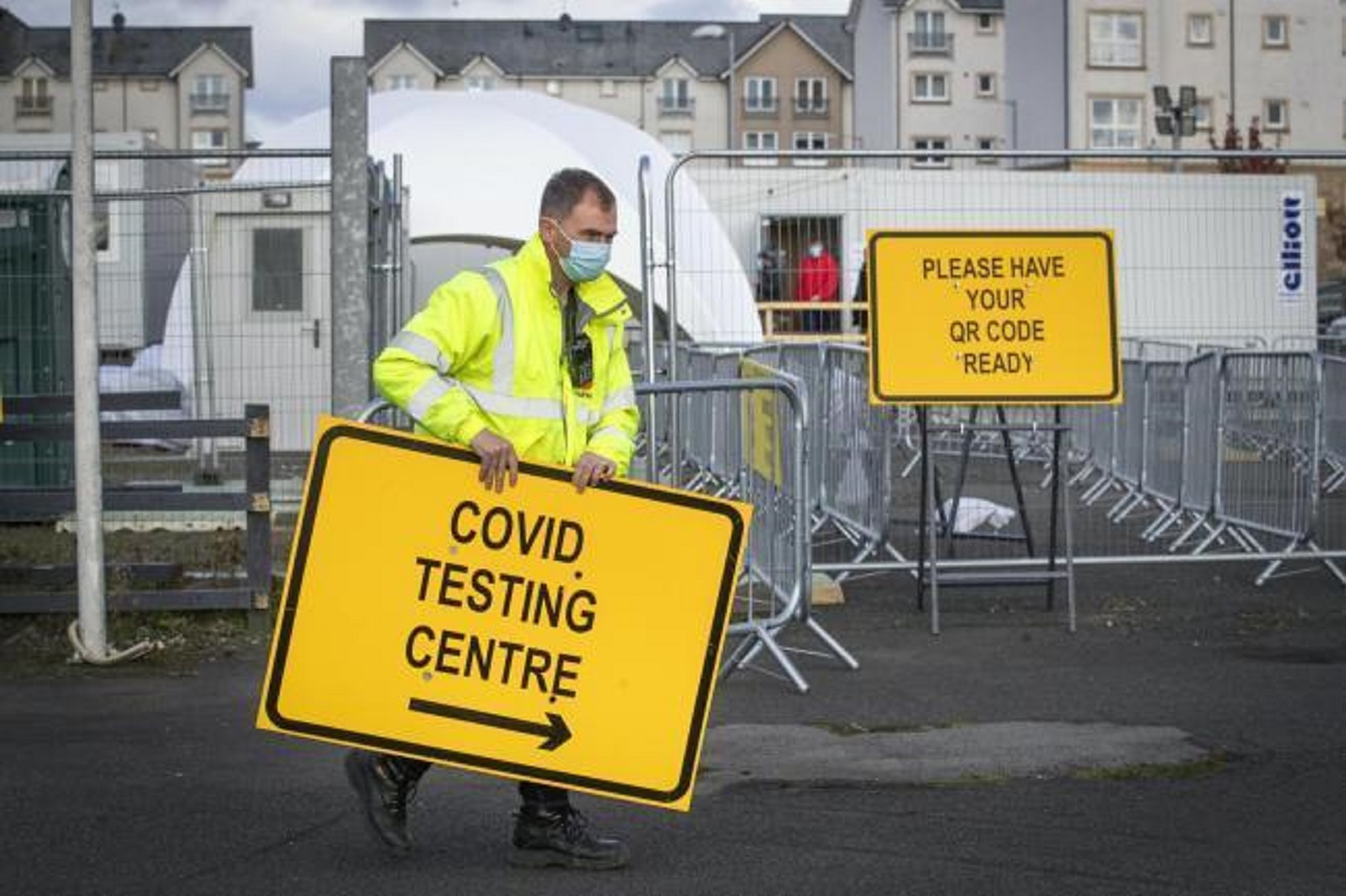
Croydon Council is encouraging more people to get tested
You can collect two packs of seven test kits from NHS Local Testing Sites in the car parks at Central Parade, New Addington or Croydon Arena, South Norwood – both are open for test kit collection in the afternoons.
Alternatively, anyone who lives or works in Croydon can get a free rapid test at one of four community rapid testing centres located across the borough. You can book a test and find out more by clicking here.
You can also drop into our rapid testing sites to collect two packs of test kits, to use at home.
Rachel Flowers, Croydon’s director of public health, has said, “Regular rapid testing is part of our defence, but the most important public health advice remains hands, face, space, fresh air – wash your hands regularly, cover your face in enclosed spaces, keep your distance from others and meet outdoors.
“As much as we all miss hugging our loved ones, it is more important to help them stay well and keep our incidence rate low, so that we can keep on seeing them.
“It’s particularly important to remember social distancing now that our town and district centres are reopening and our streets are busier. Shops, pubs and restaurants across Croydon have worked so hard to reopen in a way that is safe for them and their customers, so let’s all support them in this by playing our part.
“Be considerate when you’re out in public spaces – keep your distance from others, so that we can continue to enjoy being together.”
- If you have a news story about life in or around Croydon, or want to publicise your residents’ association or business, or if you have a local event to promote, please email us with full details at inside.croydon@btinternet.com

- Inside Croydon works together with the Bureau of Investigative Journalism and BBC London News
- ROTTEN BOROUGH AWARDS: Croydon was named the country’s rottenest borough in 2020 in the annual round-up of civic cock-ups in Private Eye magazine – the fourth successive year that Inside Croydon has been the source for such award-winning nominations
- Inside Croydon: 3million page views in 2020. Seen by 1.4million unique visitors
