

A coalition of doctors and NHS campaigners are considering a legal challenge to the takeover by an American health insurance giant of 37 GP practices across London, including seven in Croydon.

NHS GP services are being privatised by stealth
US insurer Centene, through Operose Health, its UK subsidiary, recently acquired AT Medics, a primary care provider responsible for 49 GP surgeries and more than 370,000 patients in the Greater London area.
Centene is one of the United States’ highest-earning Fortune 500 companies, with revenues of $74.6billion in 2019 (the latest figures available).
Now, it is making profits from the NHS, as part of the creeping privatisation by stealth of the UK’s health provision.
Private Eye this week reports that AT Medics managed to make £35million profit from the NHS from its GP practices in London in the five years before the Centene takeover.
The likes of Doctors for the NHS, Keep Our NHS Public and NHS Support Federation have written to health secretary Matt Hancock asking for an investigation into the Centene takeover, alleging a lack of transparency, breaches of procedure and misrepresentation.
The AT Medics practices in Croydon which are subject of the latest Centene takeover are:
- Fieldway Medical Centre, 15a Danebury, CR0 9EU
- GP Hub Central Croydon, Brickwood Road, Croydon CR0 6UL
- AT Medics at Parkway Health Centre, Parkway, New Addington, CR0 0JA
- GP Hub Purley War Memorial Hospital, 856 Brighton Road, CR8 2YL
- Headley Drive Surgery, 117a Headley Drive, CR0 0QL
- Thornton Road Surgery, 299 Thornton Road, CR0 3EW
- Valley Park Surgery, Healthy Living Centre, Franklin Way, CR0 4YD
The left-wing magazine Tribune has said, “This giant US health insurer is now providing general practice services in England, and is yet another example of the NHS being parcelled up and sold off. Despite what politicians would have us believe, our health service is in grave peril.”
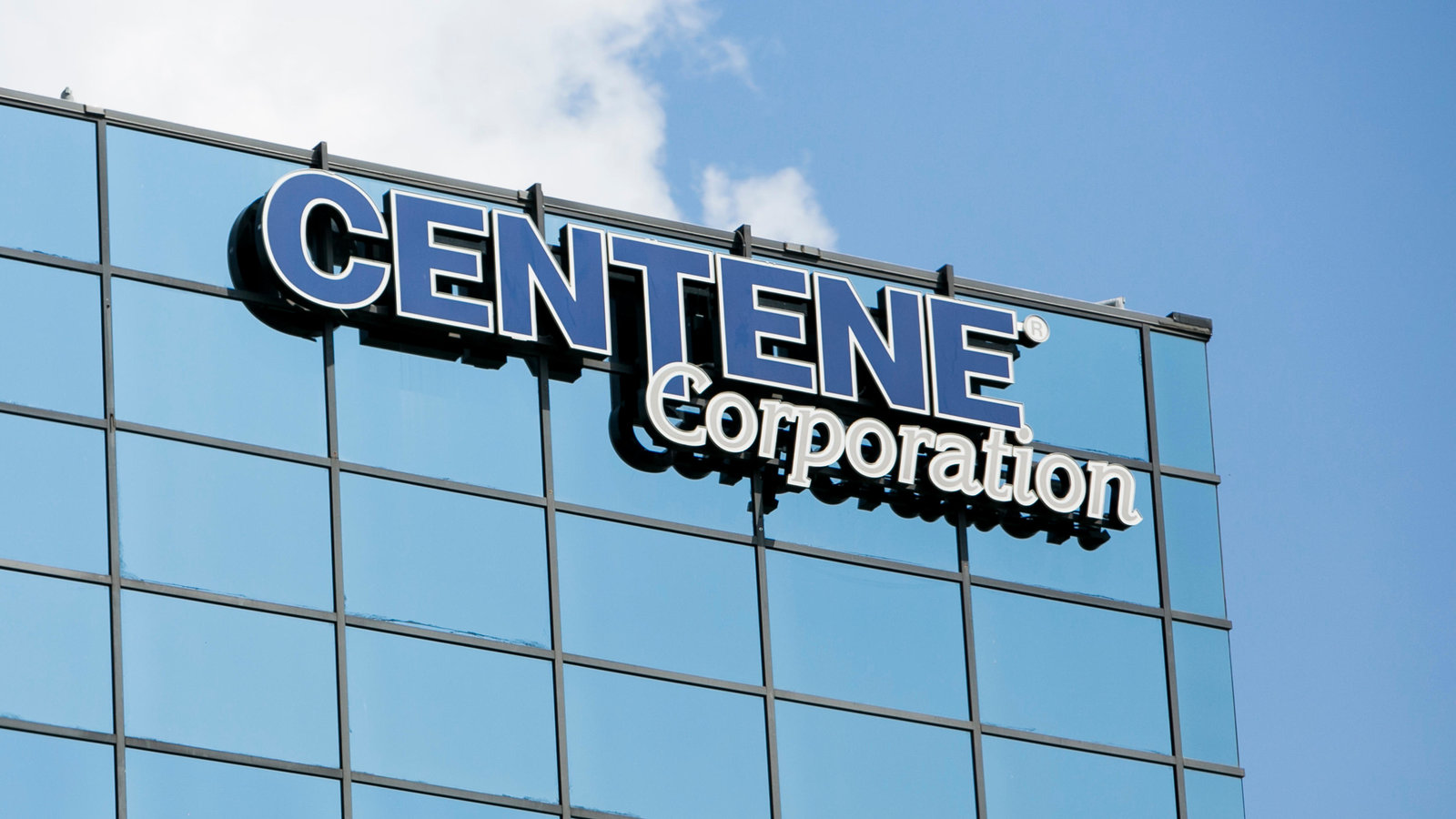
Profit-motive: Centene is one of the US’s biggest corporations
The GP surgeries that AT Medics ran were mainly under the auspices of Alternative Providers of Medical Services, or APMS, contracts. These were introduced in 2004 and allowed “alternative providers”, other than GPs, to be the contract-holders.
Six GPs set-up AT Medics 17 years ago to take advantage of the APMS system. By the time of their takeover last month, they had practices in Croydon and 18 other London boroughs.
When the Centene/Operose takeover was nodded through, in a virtual meeting at which the public were excluded, it was stated that the six directors of AT Medica would remain unchanged. All six directors – including one based in Streatham and another from Thornton Heath – resigned en masse last month, to be replaced by three Operose directors.
APMS contracts are negotiated locally with CCGs, clinical commissioning groups, and tend to run for 10 to 15 years. The more traditional General Medical Services contracts are held by GP partners, are not time-limited, with terms and conditions negotiated nationally by the General Practitioners Committee, made of up elected members of the profession.
Funding of General Practice is complex, not least because of the way the profession was organised when the National Health Service was established in the years after the Second World War, and doctors insisted on being treated as self-employed sub-contractors of the new NHS.

Tory health secretary Matt Hancock: privatising the NHS, bit by bit
Now, GPs receive a fixed budget from the government, and the money is used to employ staff, equip premises and provide GP services. GP partners effectively pay themselves a salary from this funding.
The surgeries are run by GP partners and do not have shareholders. There is rarely any pressure for these medical practices to be run at a profit.
As Tribune observes, that’s not the case with big American corporations. “Commercial organisations generally do have shareholders who expect dividends to be paid. To generate dividends, the organisation needs to make a profit. The only way to make a profit out of General Practice is to cut costs; GPs cannot put their prices up to make more money out of their NHS provision.”
Private Eye quotes Allyson Pollock, clinical professor of public health at Newcastle University and the author of NHS plc, who says, “These deals are bad news for patients.”
Prof Pollock and other campaigners claim that Hancock’s Health and Care White Paper risks enshrining profit-driven corporations into the NHS’s commissioning system, and that this is being pushed through now under the cloak of covid.
“The shareholders want a return on investment,” the professor said.
“If the US experience is anything to go by, they pave the way for the closure of surgeries, fewer GPs, lower staffing levels, reduced access to services and erosion in quality of care and coverage.”
To find out more, and to sign WeOwnIt’s petition against the takeover of NHS surgeries, click here.

- Inside Croydon is a member of the Independent Community News Network
- Inside Croydon works together with the Bureau of Investigative Journalism and BBC London News
- ROTTEN BOROUGH AWARDS: Croydon was named the country’s rottenest borough in 2020 in the annual round-up of civic cock-ups in Private Eye magazine – the fourth successive year that Inside Croydon has been the source for such award-winning nominations

- Content on this site is also licensed via Ping! News. To access content for copying in full or in part, please visit https://pingnews.uk/

