


People don’t talk about money very often – why is that?
People don’t like talking about money. This is often due to embarrassment, for example most of us would never ask a colleague how much they earn. There’s also a sense of shame if we feel we don’t have enough or if we can’t afford to keep up with people. Money has become a taboo in this country, but this is very much a cultural thing – it’s different in other countries where people are much more open about their money.
How can we have a healthy relationship with money?
It’s really important not to associate money with shame, and to look at it objectively in a factual way. The question we should always ask ourselves is “How can I best make my money work for me?”
What are some of the most common reasons people go into debt?

Under the current pandemic, this might be because they’ve been made redundant or were put on furlough, or they’re self-employed and the Self-employed Income Support Scheme didn’t give them the money they’re used to.
Again, this makes it so important to separate money from shame. Debt is often imposed on people through no fault of their own.
How can you take control of your finances?
The first thing to say is that you don’t have to do it on your own.
If you don’t feel able to talk to anyone you know, then talk to someone you don’t know.
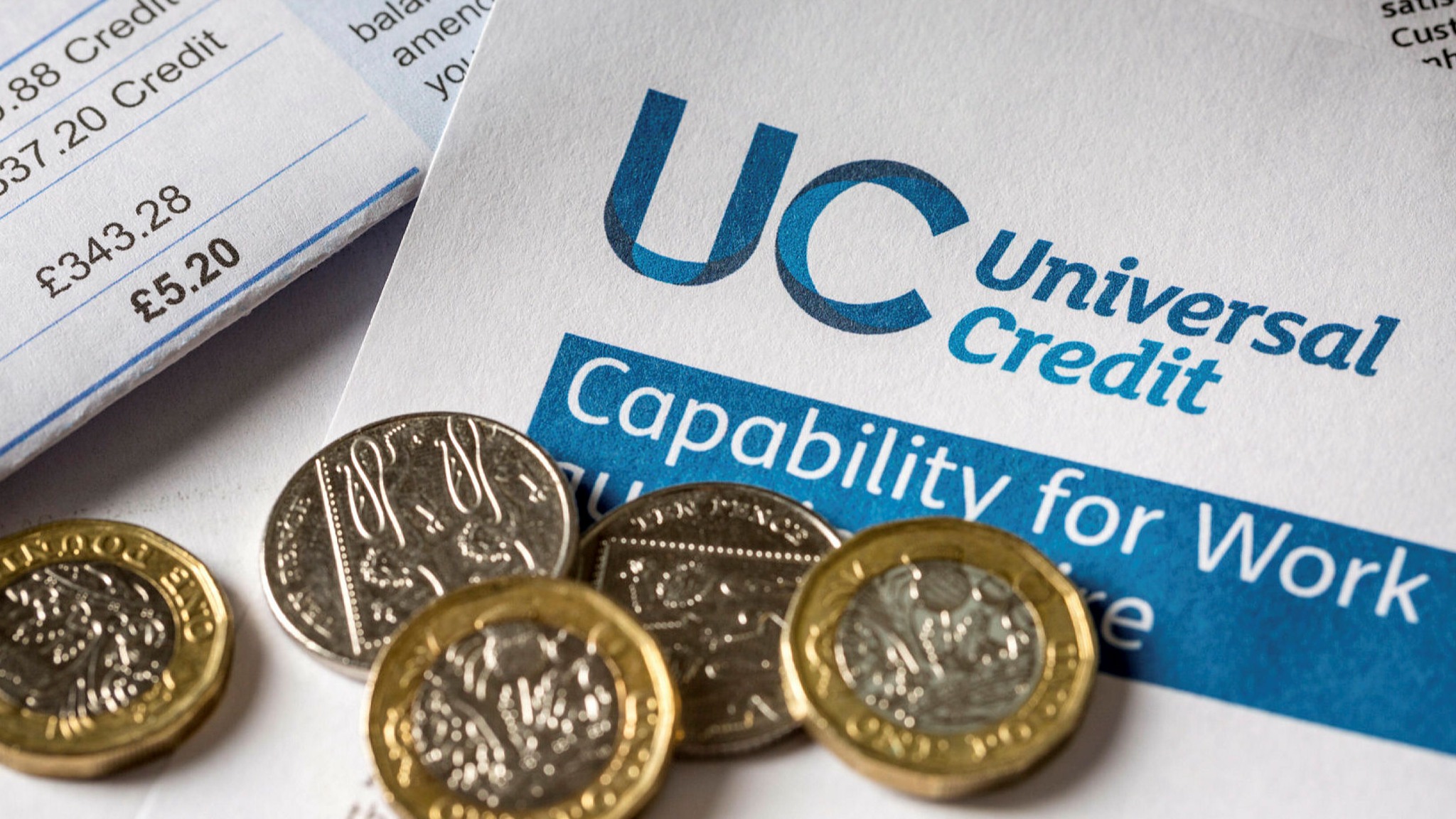
The second important thing is that you need to understand what money you have and work out your income and expenditure, so you know where you are financially.
Our money advice team offers a series of free one-hour webinars on different aspects of money management, a great way to find out about money-saving tips to help you take control of your money and make it work harder for you.
We also have some offering advice around your Universal Credit claim, claiming disability benefits and benefits for carers.
How do I start a conversation about money with my family?
If you think a member of your family might be struggling with money, perhaps because they’ve been made redundant, then ask them if they need help. Even if they are coping financially, they will still need support and reassurance. Give them the details of someone they can talk to if they may find it difficult to open up to family members.
If you’re struggling and need to tell your family, please remember there is nothing to feel embarrassment or shame about. Having things out in the open will take the pressure off you and the situation and your family may be able to help in other, more practical ways too.
The worst thing you can do is bury your head in the sand and hope the problem will go away by itself. If confiding in your family really is too difficult, then reach out to an independent debt advice service who can help you understand your options and work out the best way forwards.
What difference does it make to people who do reach out for help?
Although making the first step can be difficult, our clients find that once they’ve opened up about their situation and are able to talk about their money worries, a huge burden is lifted. We can also help them understand their options and work out the way forwards rather than them feeling that there’s no way out. Debts can quickly spiral out of control without the right advice so hard as it may be, it’s always best to get advice and talk about money.
- Talk Money Week is from November 8. The South West London Law Centres team will be joining public engagement sessions on the Thursday and Friday of that week in Croydon’s Whitgift Centre

- If you would like to speak to a member of SWLLC money advice team, call Monday to Friday between 9.30am and 5pm on 020 8667 9252, or go online to https://swllc.org/get-advice/debt/
- If you have another legal issue you would like to discuss, call the SWLLC enquiry line between 10.30am and 11.30am Monday to Friday on 020 8767 2777, or email enquiries@swllc.org
- There is also a series of webinars to help you take control of your money. You can find out more and register here: https://swllc.org/webinars/

- If you have a news story about life in or around Croydon, or want to publicise your residents’ association or business, or if you have a local event to promote, please email us with full details at inside.croydon@btinternet.com

- Inside Croydon works together with the Bureau of Investigative Journalism, as well as BBC London News and ITV London
- ROTTEN BOROUGH AWARDS: Croydon was named the country’s rottenest borough in 2020 in the annual round-up of civic cock-ups in Private Eye magazine – the fourth successive year that Inside Croydon has been the source for such award-winning nominations
- Inside Croydon: 3million page views in 2020. Seen by 1.4million unique visitors
