

Day 6 of the coroner’s inquest into the Croydon tram crash this morning heard more expert evidence that suggests that the driver was over-tired and disorientated as the tram went through the Sandiland tunnel that fateful November morning in 2016.

The Sandilands tram crash was the worst of its kind for a century
Driver fatigue has been linked to the crash, and other safety incidents involving tram and bus drivers, with suggestions that Transport for London and their operators, Tram Operations Ltd, had suppressed critical findings of reports on driver fatigue.
The derailment took place on a curve in the track close to the Sandilands tram stop. Other evidence presented last week showed that the bend at Sandilands junction had been known for a “derailment safety factor” since the tram network opened.
Dane Chinnery, 19, Philip Logan, 52, Philip Seary, 57, Dorota Rynkiewicz, 35, Robert Huxley, 63, Mark Smith, 35, and Donald Collett, 62, were all killed in the crash. The crash left 61 people injured, after the worst tram disaster in Britain for a century.
Internal documents have revealed a TfL safety audit that looked at faults in the fatigue management of Tram Operations Ltd had key criticisms removed. TOL, a division of FirstGroup, complained that a report on safety practices produced eight months after the crash was “too negative”.
Today at the inquest, which is being held at Croydon Town Hall, evidence showed that the driver, Alf Dorris, had downloaded a work document on his mobile phone at 11pm the night before. His shift started at 4.53am.
Medical expert Dr Mark Young told the jury, “It is possible the driver had less than normal five and a half to six hours’ sleep… and this would have increased the likelihood of sleep debt.”

The RAIB’s map of the crash site
By “sleep debt”, the doctor is widely understood to have meant tiredness.
The Rail Accident Investigation Branch, in its original report following the crash, had said that the driver’s probable loss of awareness was possibly due to a “microsleep”.
The stretch of track where the driver’s loss of awareness took place was on the longest section of “low workload” on the tram network. Such low workload can lead to a state of mental “underload”, the doctor said.
With the driver’s attention to his task diminished due to a lack of stimulation, his performance may have been diminished or it may have triggered a microsleep.
The driver probably became disorientated in the tunnel because there were “no distinct features” to alert drivers. “Had features been present they could have helped construct the mental picture of which direction he was travelling,” Dr Young said.
This evidence follows testimony given last week when RAIB chief investigator Simon French told the jury that the driver’s microsleep could have been caused by sleep deprivation in the days leading up to the crash.
French gave three causes for the crash, including not enough braking, the sharp corner into Sandilands – something the jury was told had been known to be a risk since the tram network opened in 2000 – and the driver’s loss of awareness or disorientation.
“We think it is possible that there was a microsleep, which all of us can experience from time to time,” French told the inquest, assing that, “A trigger for a possible microsleep is a low workload.
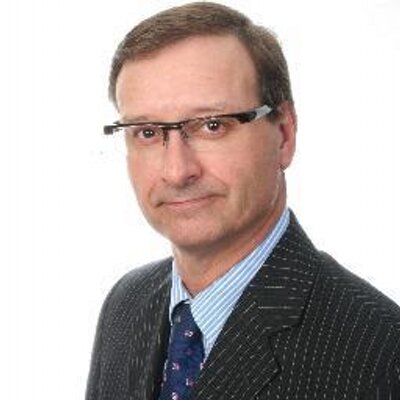
Andrew Ritchie QC: showed evidence that Sandilands track was a known derailment risk
“If there was a microsleep, we think it is quite possible that the driver was fatigued. If indeed the driver was fatigued we believe this could be a collective sleep deprivation and insufficient sleep on that night before.”
French also said that the driver may have become so disorientated by the microsleep and the tunnel that “he may have thought he was going in the opposite direction”.
Andrew Ritchie QC, representing the families of five of the seven fatal victims of the crash, showed the jury a memorandum from 2000 from Bombardier, the company that built the trams, which referred to the bend at Sandilands and the “derailment safety factor”.
The document outlined three areas of “extreme track geometry” on the tram network. One of these is the bend and junction at Sandilands.
The inquest is expected to continue until August.
Read more: TfL safety audit kept secret from crash investigators
Read more: Union demands Mayor conducts full probe into TfL safety
Read more: Croydon tram crash coroner’s inquest: Robert Huxley
Read more: Croydon tram crash coroner’s inquest: Phil Seary
Read more: Croydon tram crash coroner’s inquest: Phil Logan
Read more: Croydon tram crash coroner’s inquest: Mark Smith
Read more: Croydon tram crash coroner’s inquest: Dorota Rynkiewicz
Read more: Croydon tram crash coroner’s inquest: Don Collett
Read more: Croydon tram crash coroner’s inquest: Dane Chinnery
- If you have a news story about life in or around Croydon, or want to publicise your residents’ association or business, or if you have a local event to promote, please email us with full details at inside.croydon@btinternet.com

- Inside Croydon works together with the Bureau of Investigative Journalism and BBC London News
- ROTTEN BOROUGH AWARDS: Croydon was named the country’s rottenest borough in 2020 in the annual round-up of civic cock-ups in Private Eye magazine – the fourth successive year that Inside Croydon has been the source for such award-winning nominations
- Inside Croydon: 3million page views in 2020. Seen by 1.4million unique visitors
